
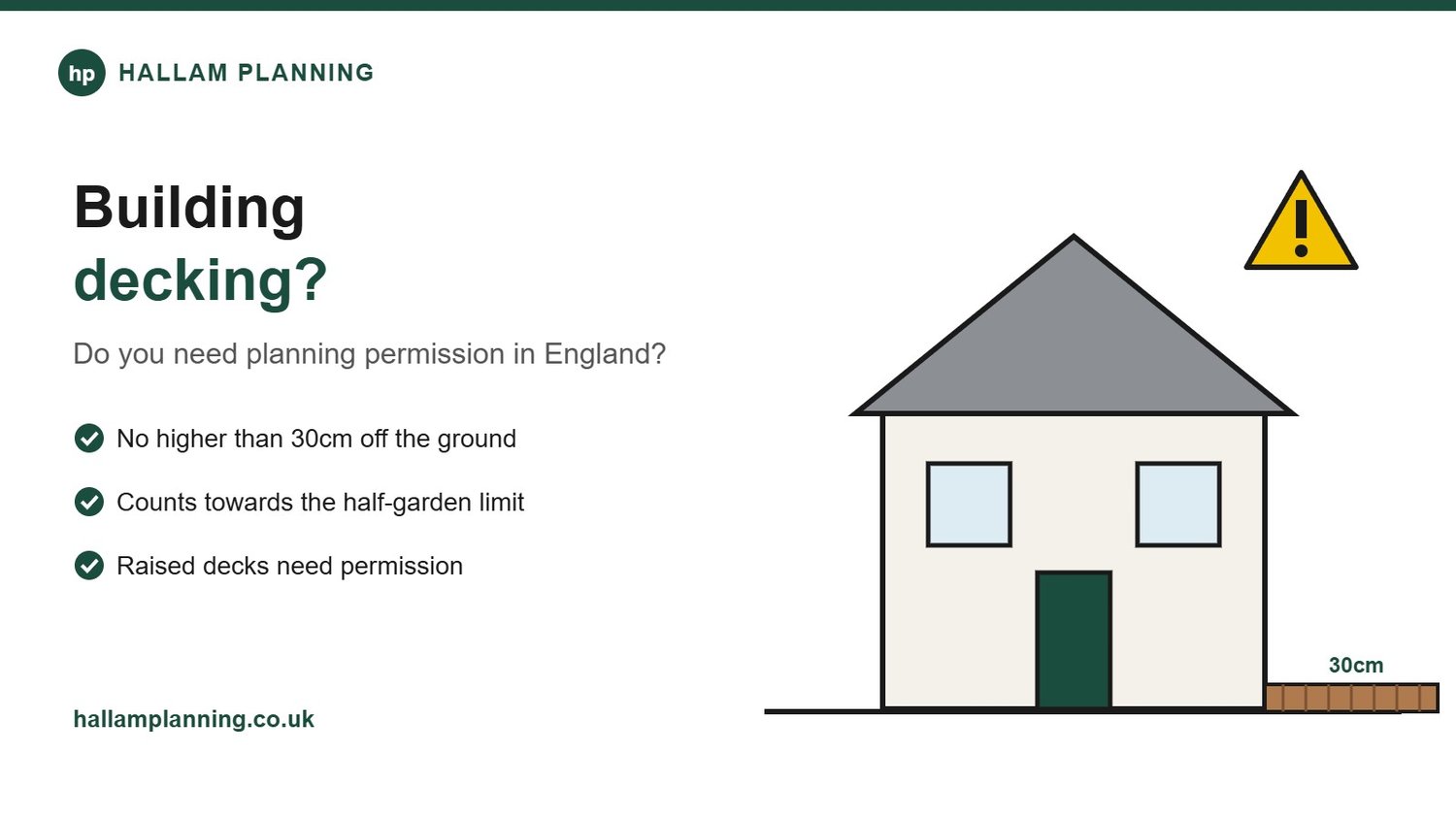
Garden decking is usually permitted development, so most homeowners do not need a planning application. The key rule is height. The main limitsThe decking must be no more than 30cm above the groundTogether with other extensions and outbuildings, it ...
Read More
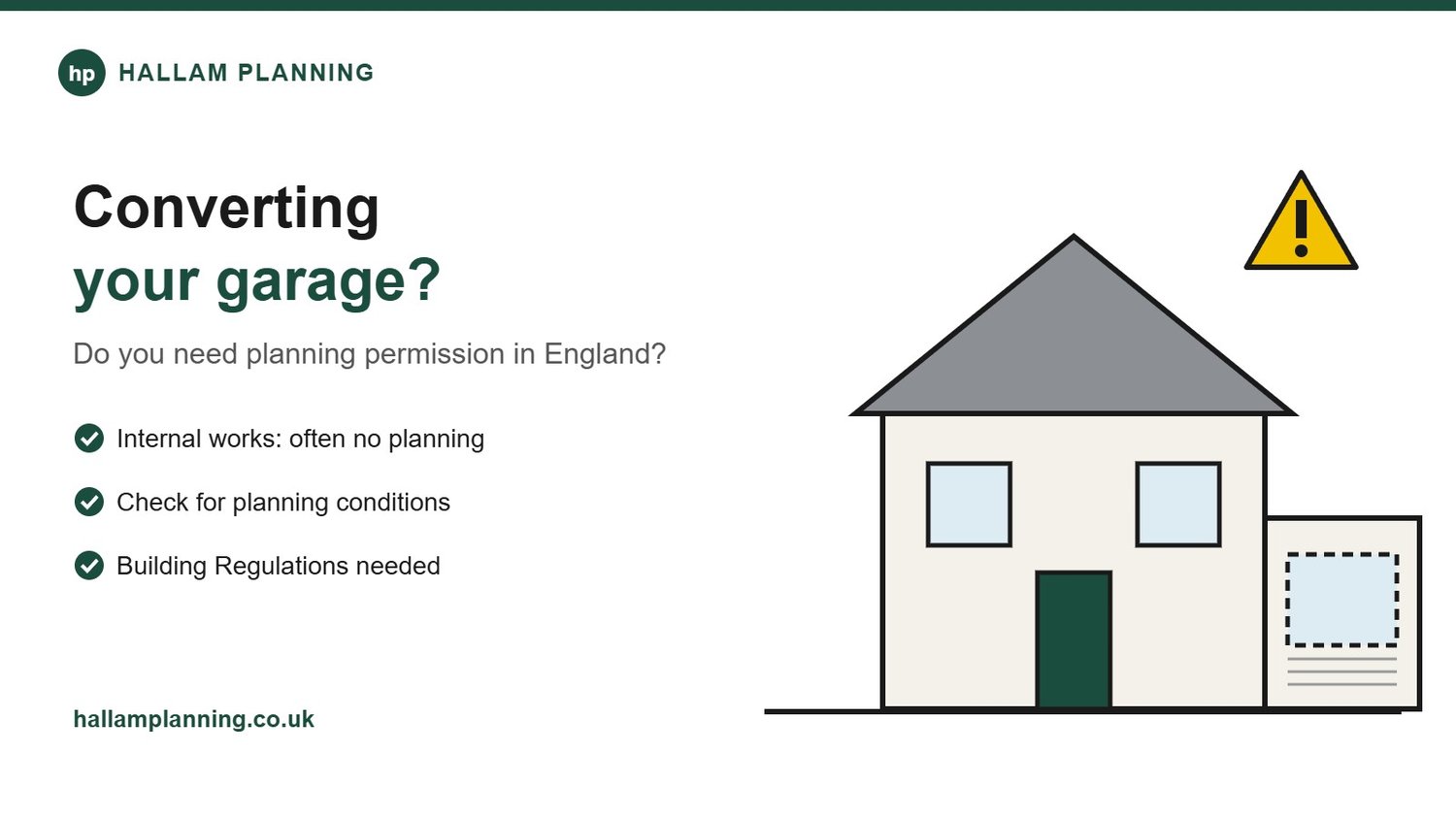
Turning an integral or attached garage into a room is a popular way to add space. Often it does not need planning permission, but there are some important exceptions. When it is usually fine Work inside the garage is normally not "development", so p...
Read More
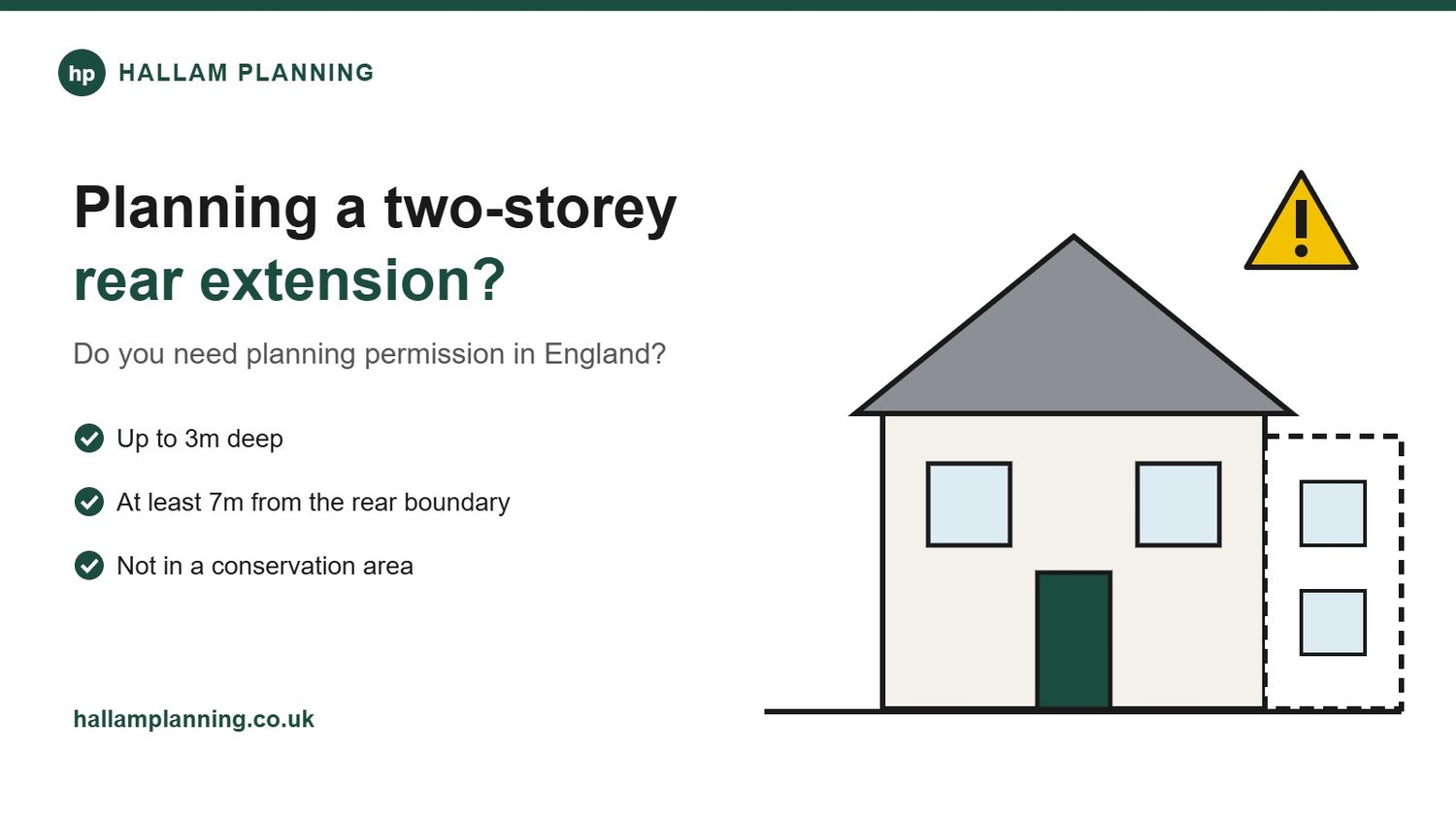
A two-storey rear extension adds a lot of space, and in some cases it can be built under permitted development. The limits are tighter than for single-storey extensions, so it is worth checking carefully. The main limitsIt can extend no more than 3 ...
Read More
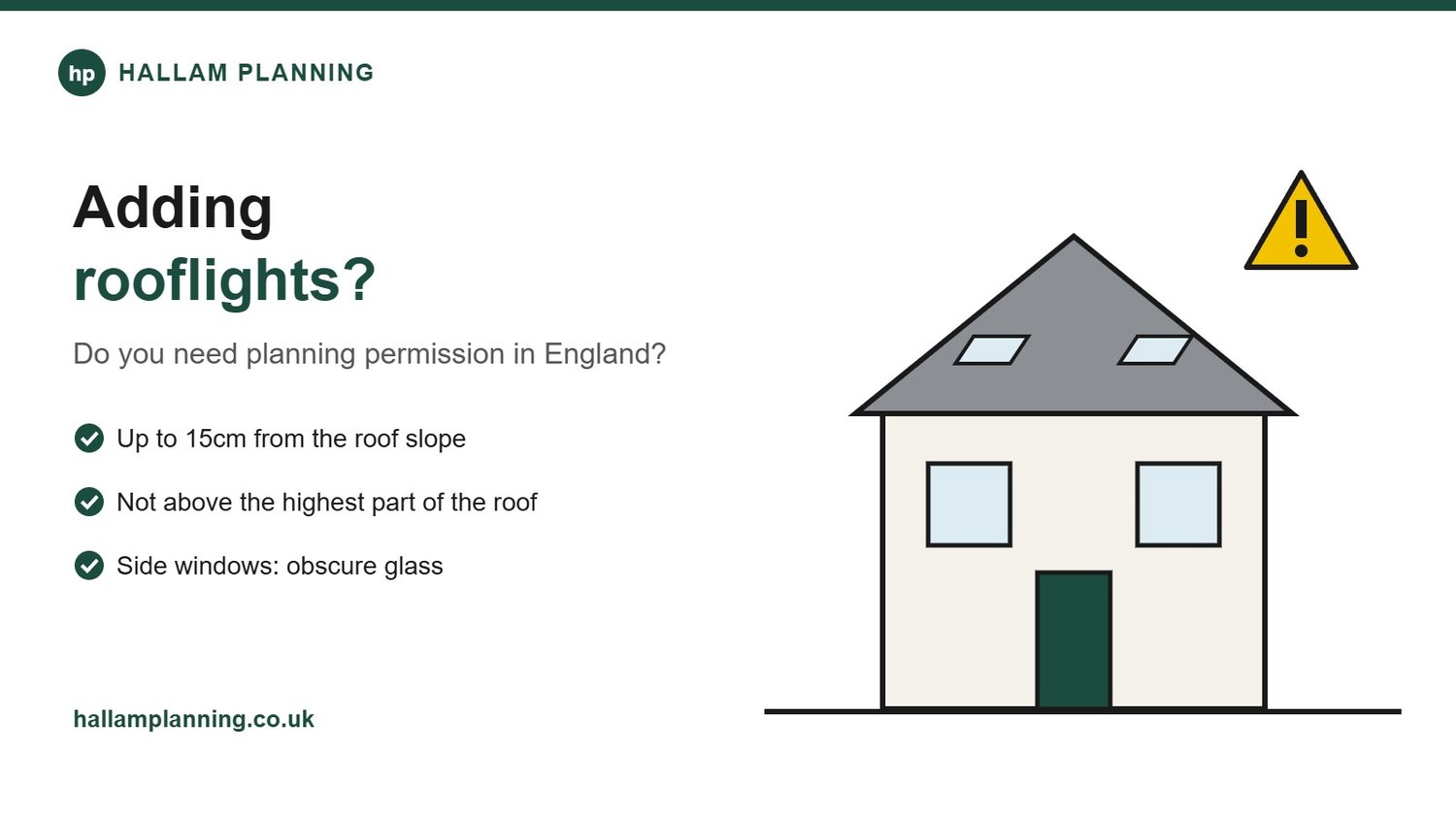
Rooflights (sometimes called Velux windows) are a simple way to bring light into a loft or extension. In most cases they are permitted development, so no planning application is needed. The limitsThey should not stick out more than 15cm beyond the r...
Read More
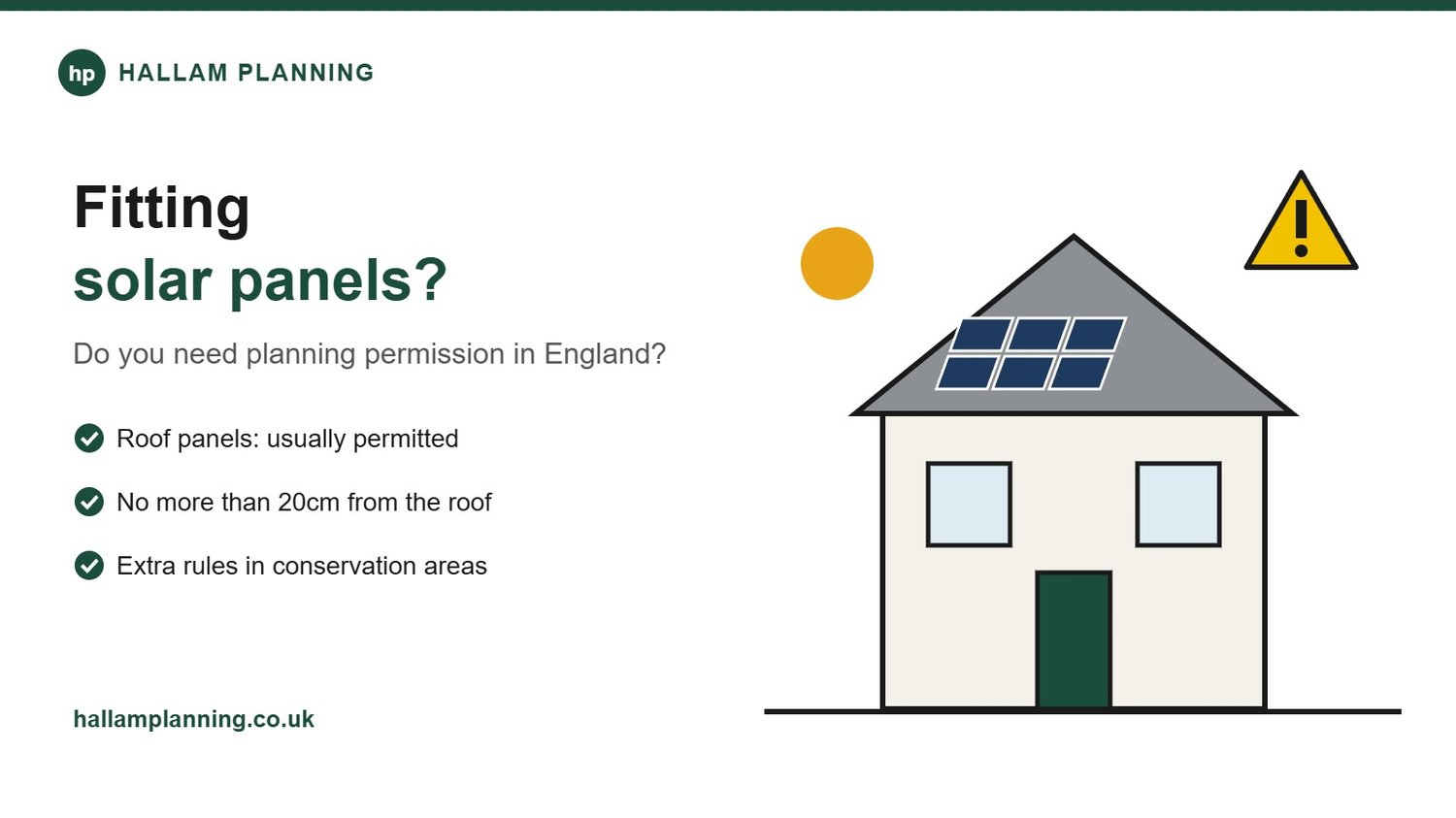
Solar panels on a house roof are usually permitted development, so most homeowners in England do not need to apply for planning permission. There are a few limits to check first. Panels on the roofThey should not stick out more than 20cm from the ro...
Read More
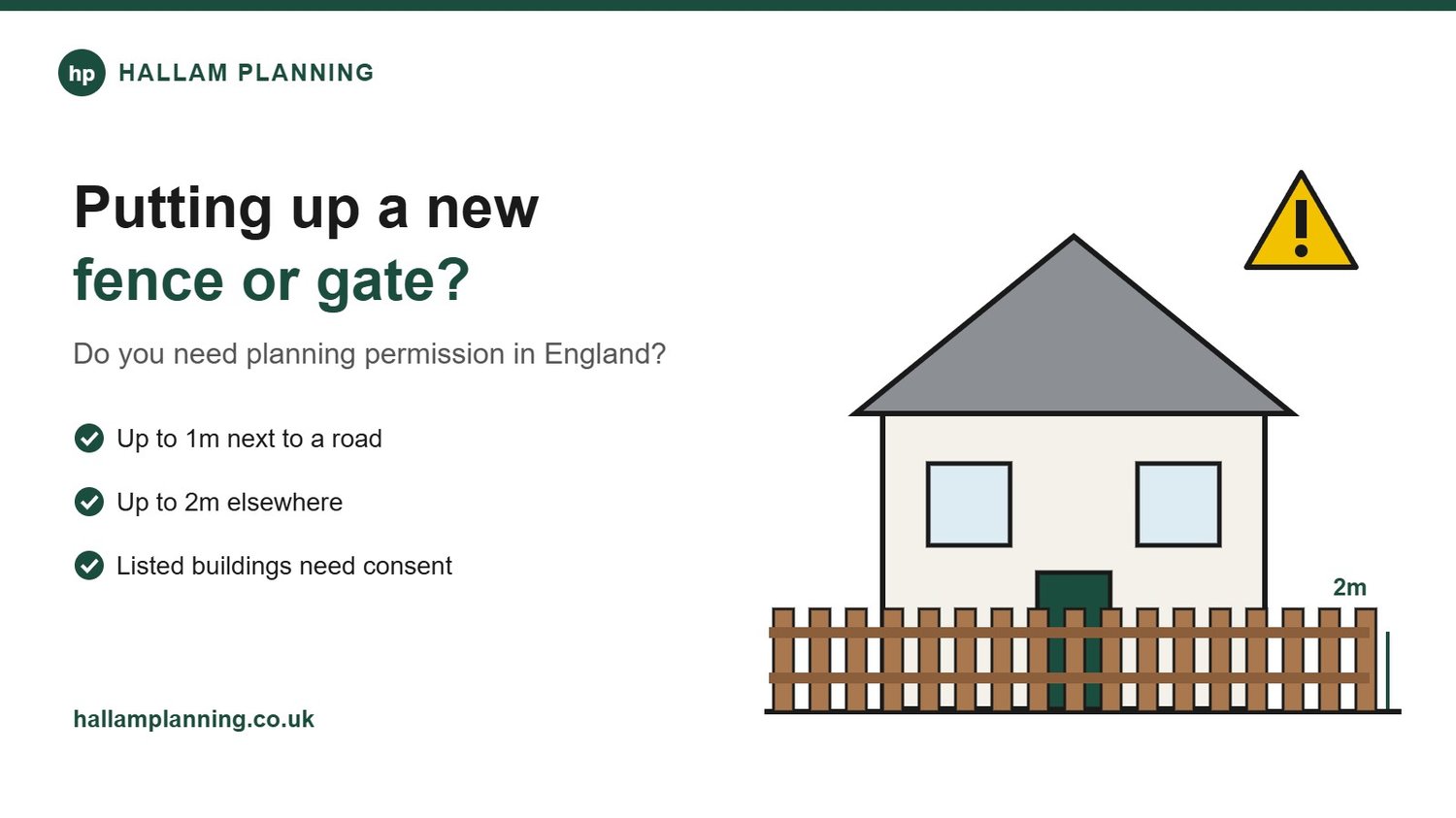
Fences, walls and gates are usually allowed without a planning application, as long as they stay within some simple height limits. The height limitsUp to 1 metre high if it is next to a road used by vehicles, or a footpath beside oneUp to 2 metres h...
Read More
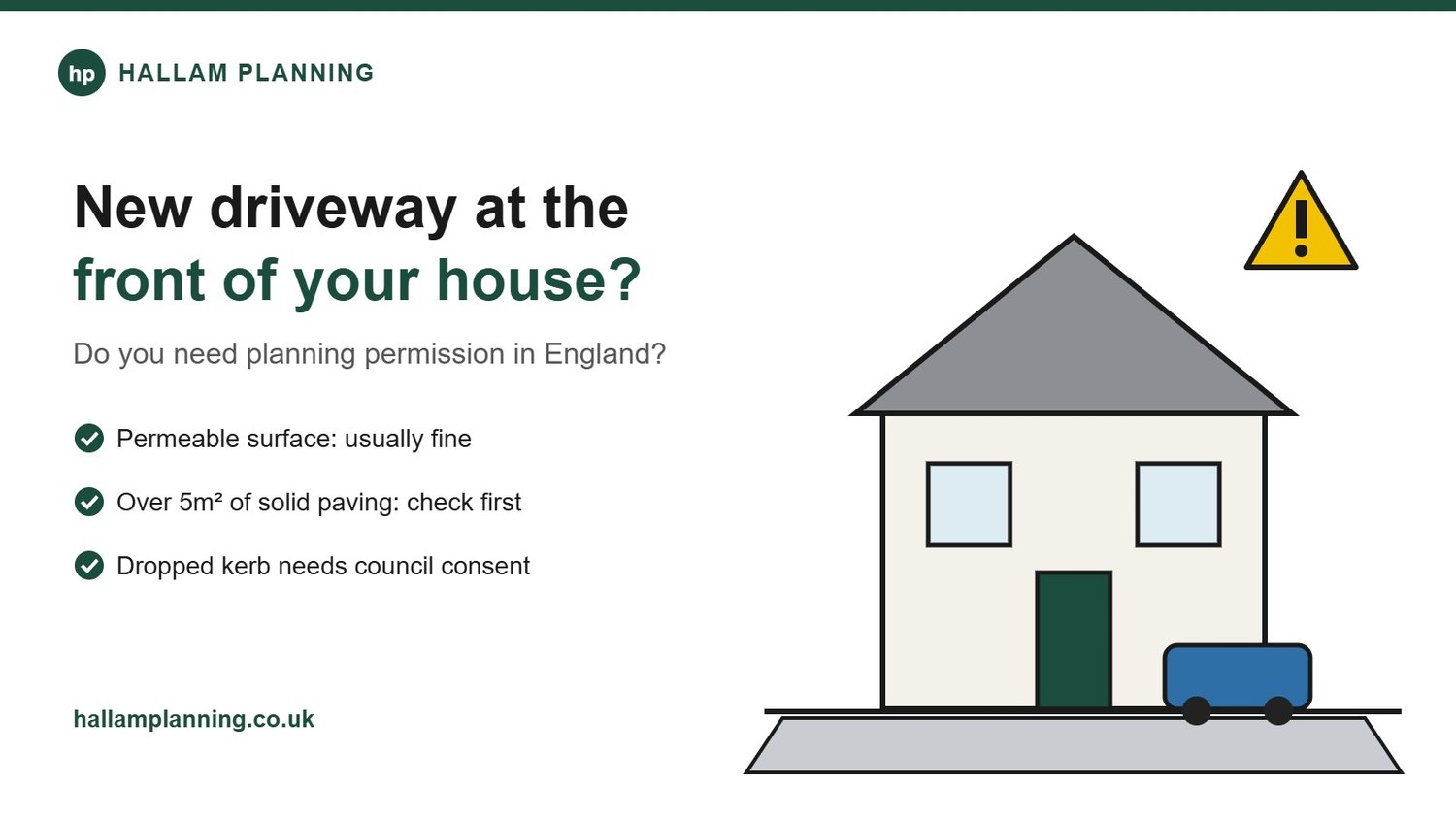
A new driveway or paved front garden is one of the most common home improvements. Many can go ahead without a planning application, but the rules on the surface you use and on access to the road catch a lot of people out. The main rule: how the wate...
Read More
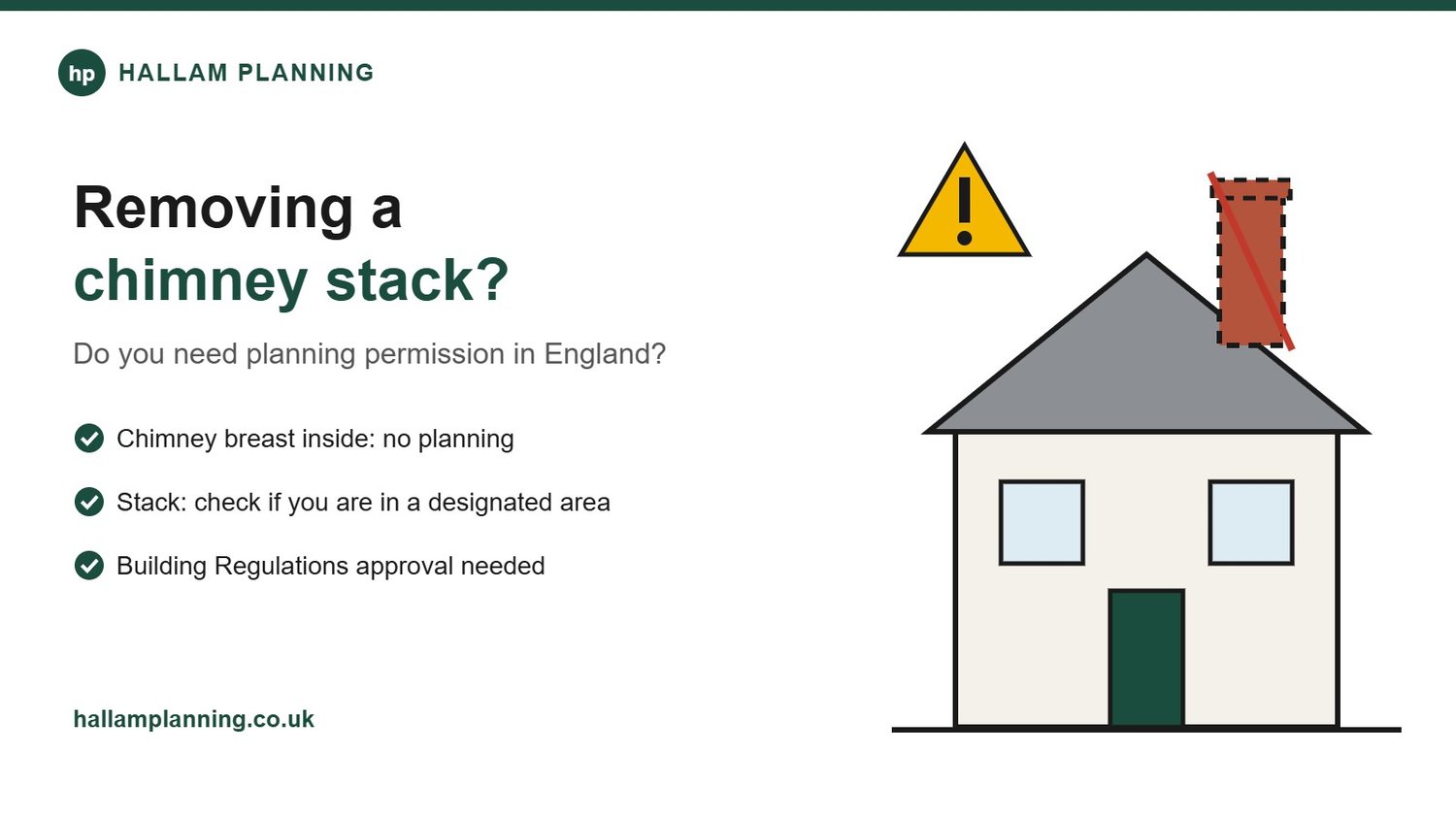
Old chimneys can leak, crumble or simply take up space. If yours is no longer used, removing or lowering it can seem like an easy job. But before the scaffolding goes up, it is worth checking whether you need planning permission, Building Regulation...
Read More
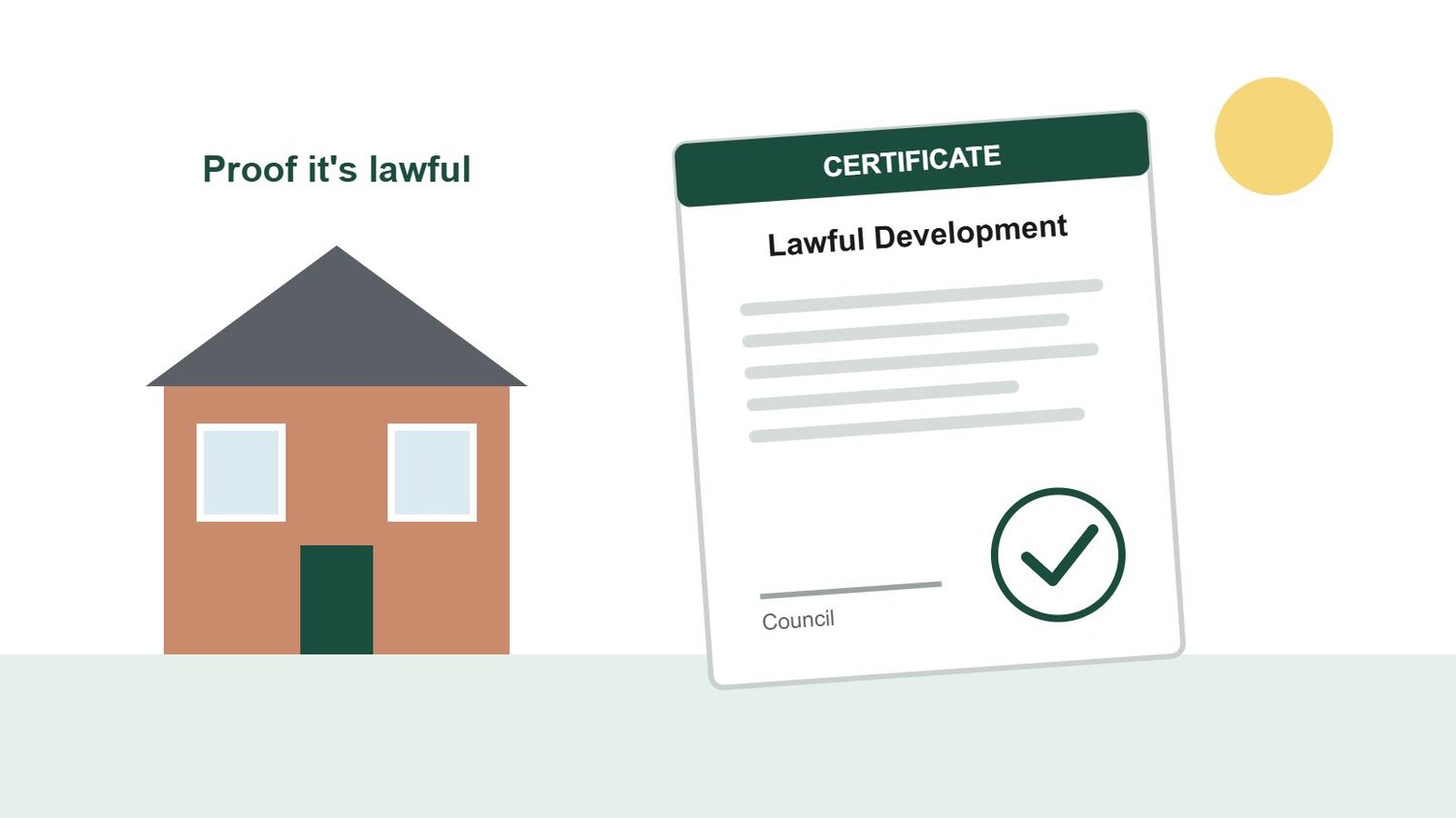
If your project is permitted development, you do not need planning permission. But many homeowners still want written proof, especially when they come to sell. That proof is a Lawful Development Certificate, often called an LDC. This guide explains ...
Read More
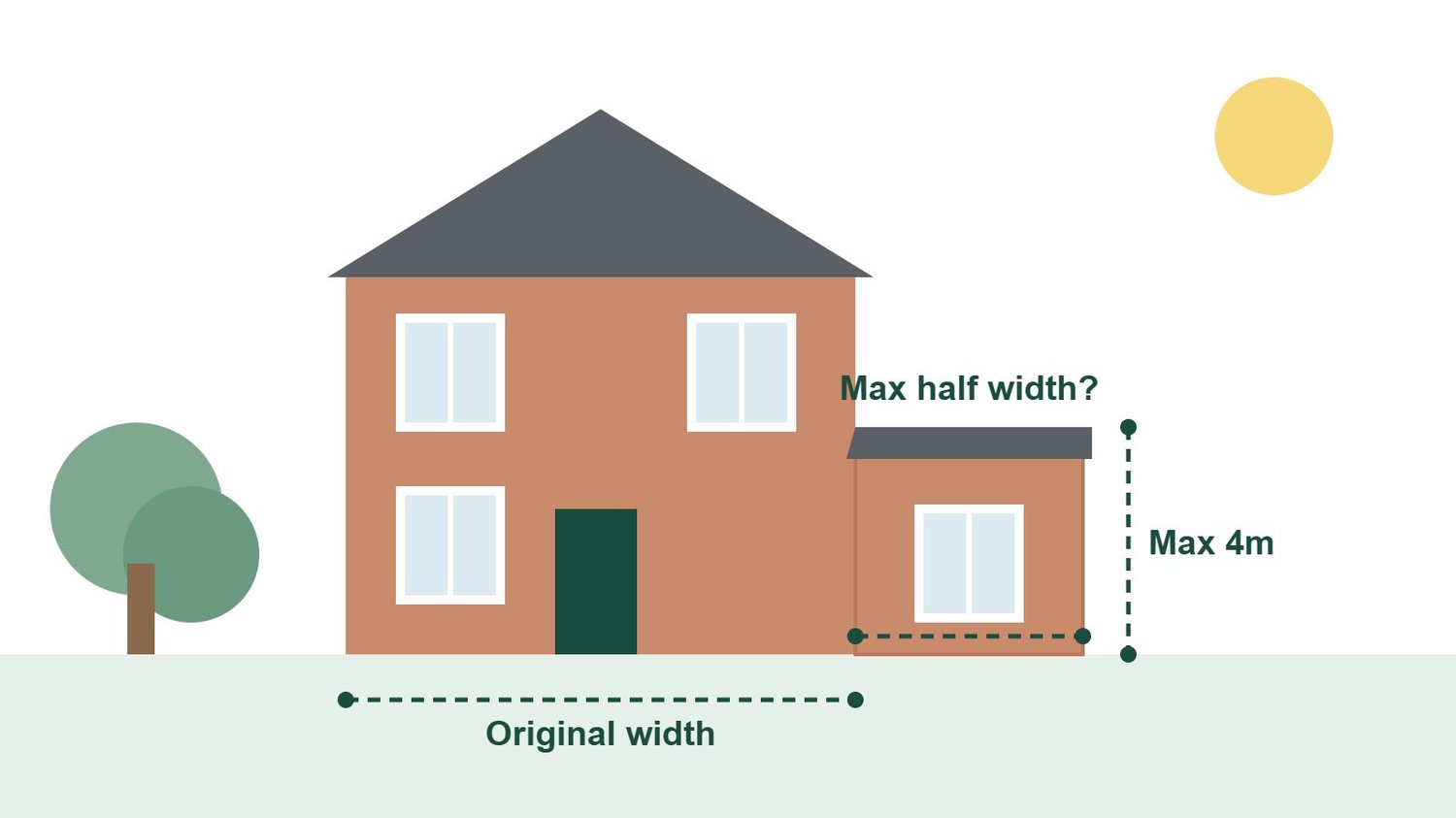
A side extension is a popular way to add a bigger kitchen, a utility room or a downstairs toilet. Many single-storey side extensions in England do not need a full planning application. They can be built under “permitted development” rights, as long ...
Read More
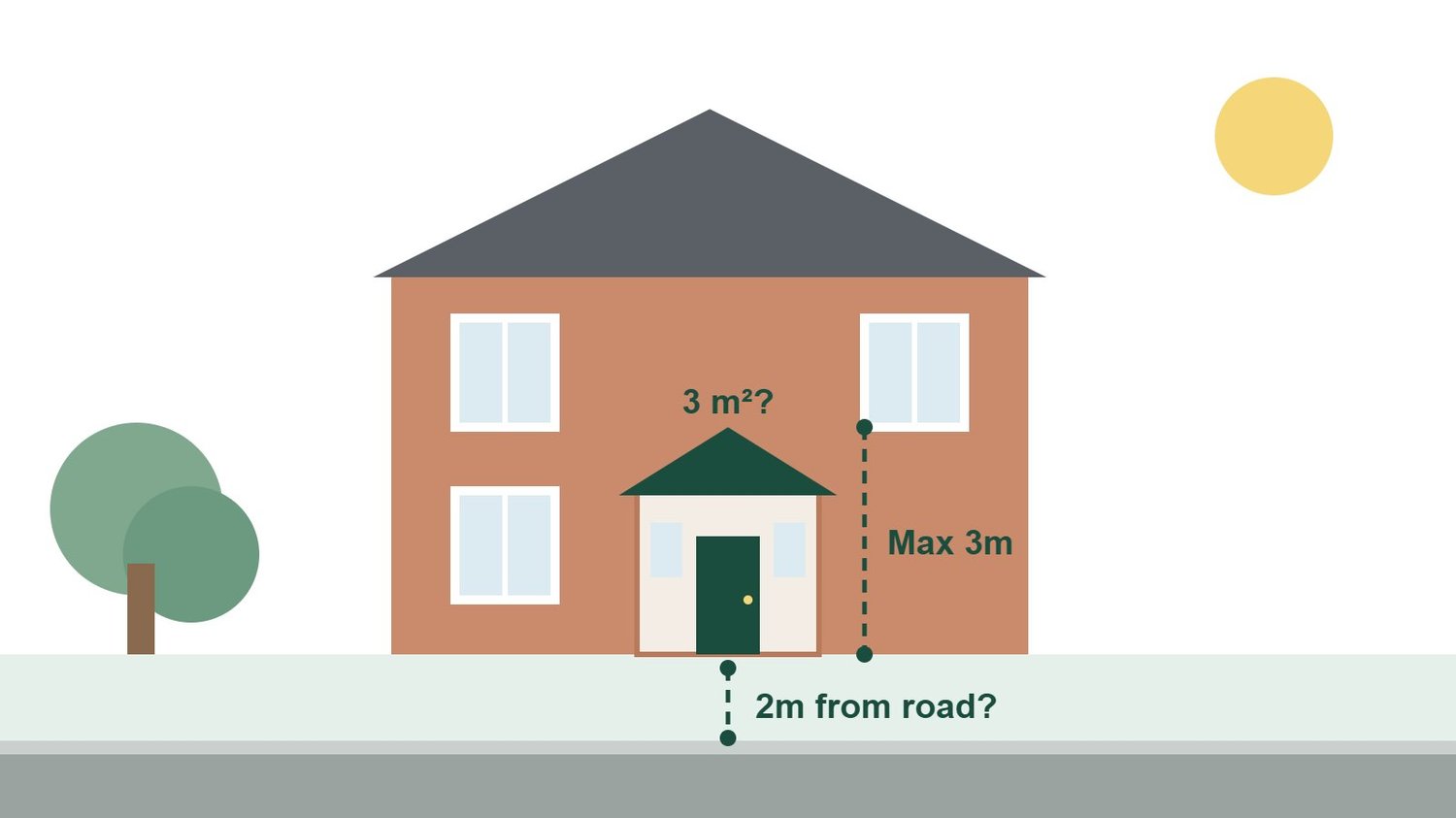
A porch can keep your hallway warmer, give you space for coats and shoes, and smarten up the front of your home. Most small porches in England do not need a full planning application. They can be built under “permitted development” rights, as long a...
Read More
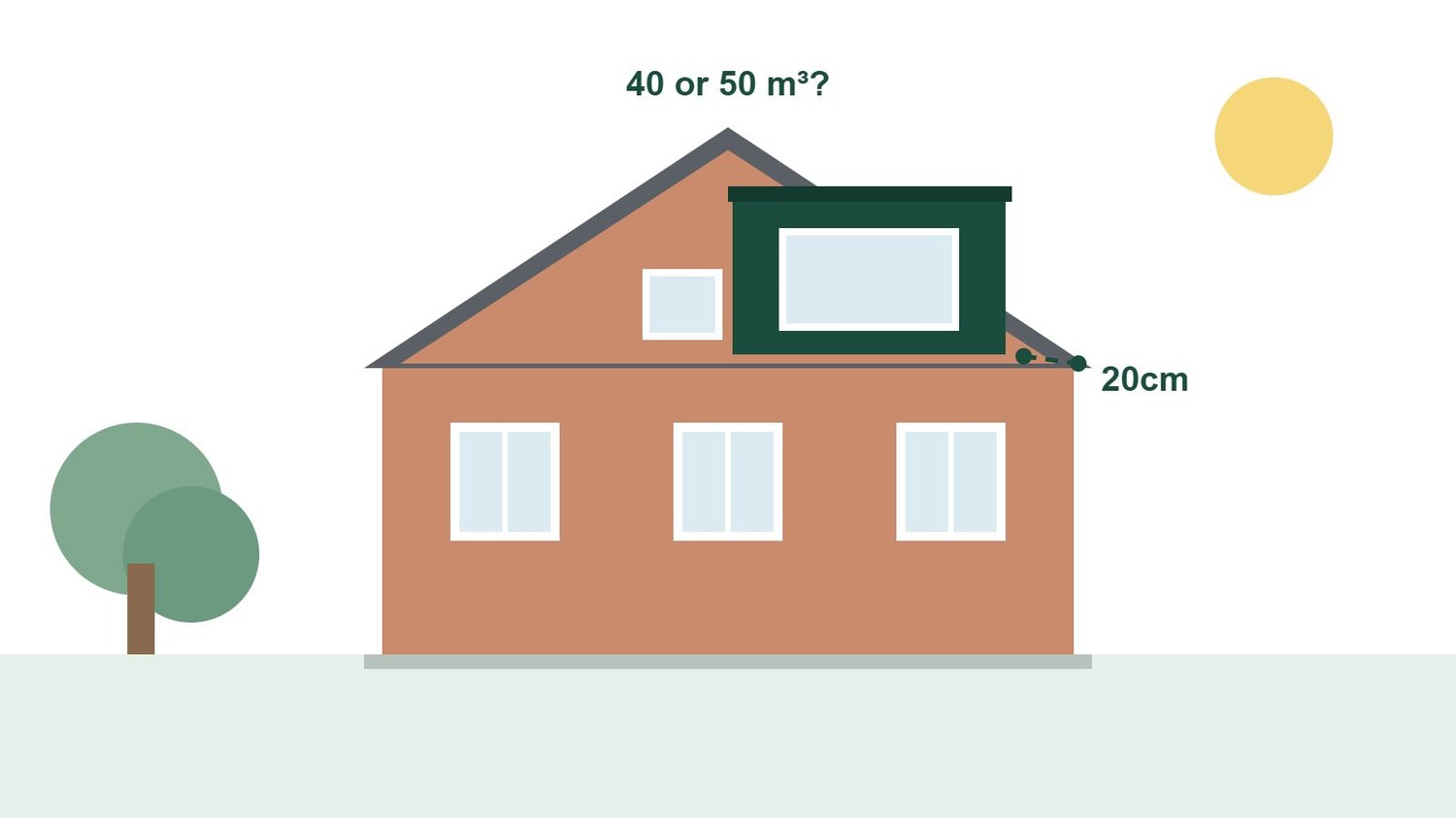
A loft conversion is one of the best ways to add a bedroom or office without losing garden space. Many loft conversions in England do not need a full planning application. They can be built under “permitted development” rights, as long as the projec...
Read More
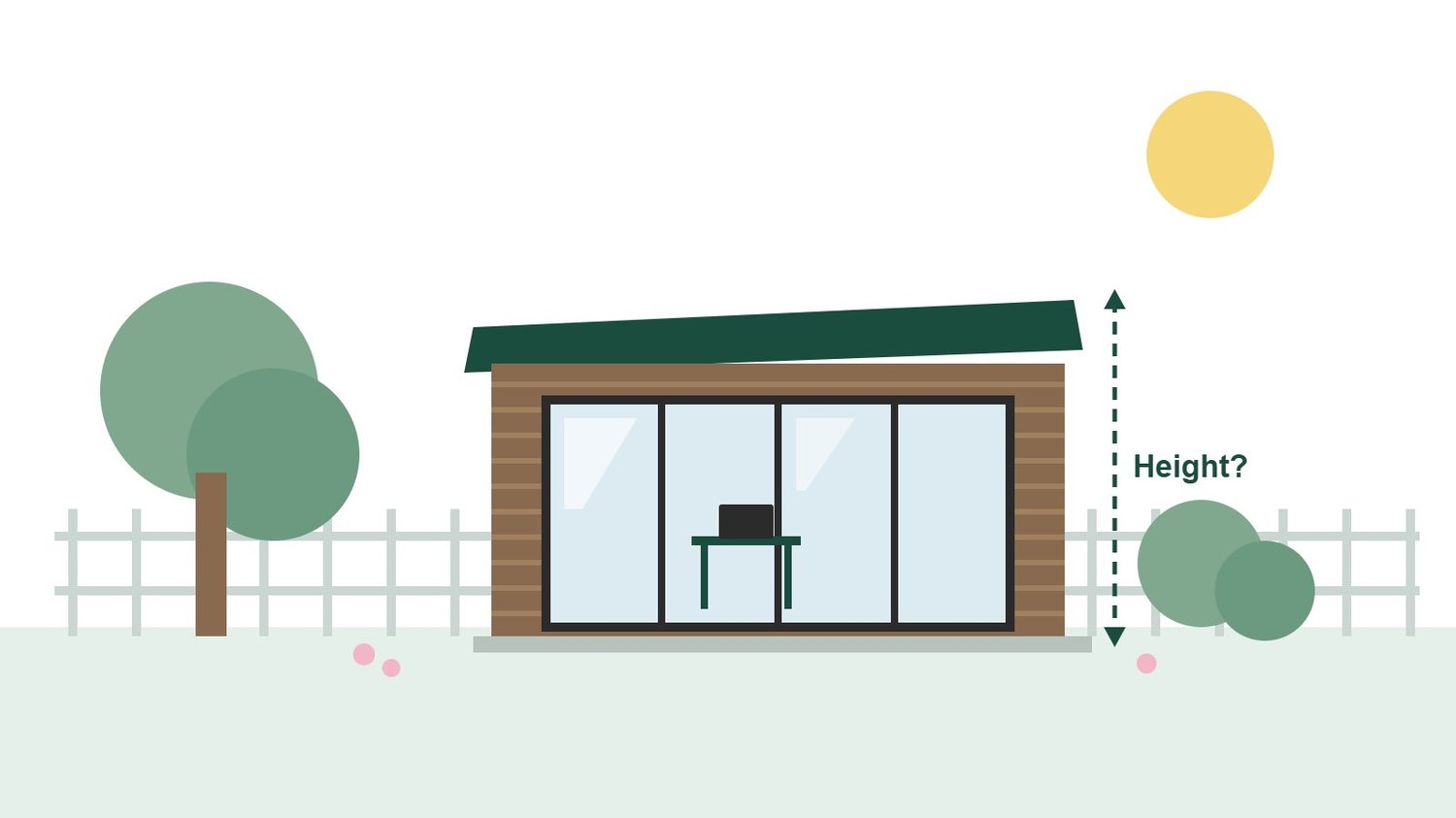
Garden offices, gyms and summer houses are one of the most popular home projects in England. The good news: many garden rooms don't need planning permission. The catch: a few simple details decide whether yours does. The short answer Most garden roo...
Read More
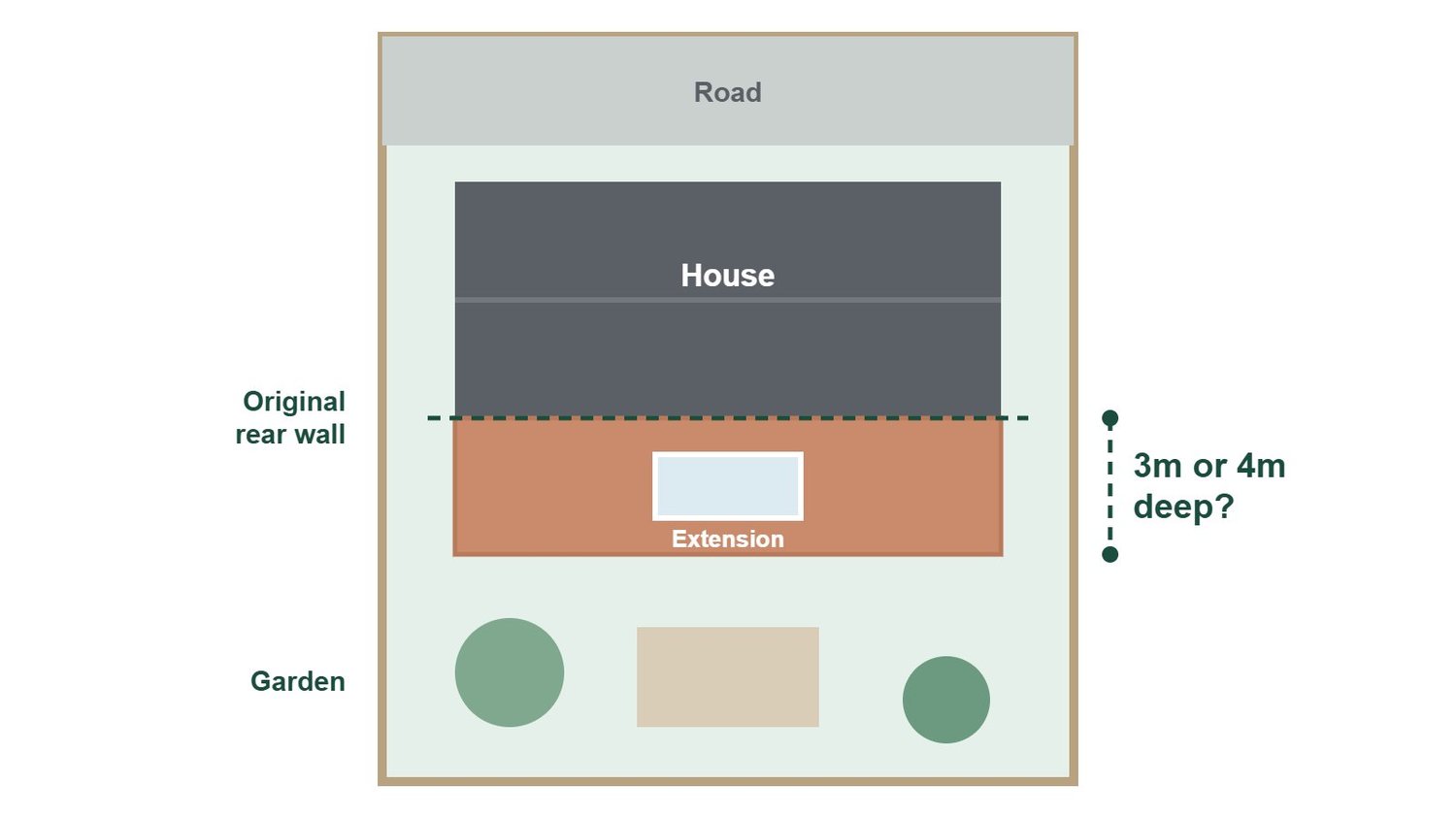
A single-storey rear extension is one of the most popular ways to add space to a home in England. The good news is that many rear extensions do not need a full planning application. They can be built under “permitted development” rights, as long as ...
Read More